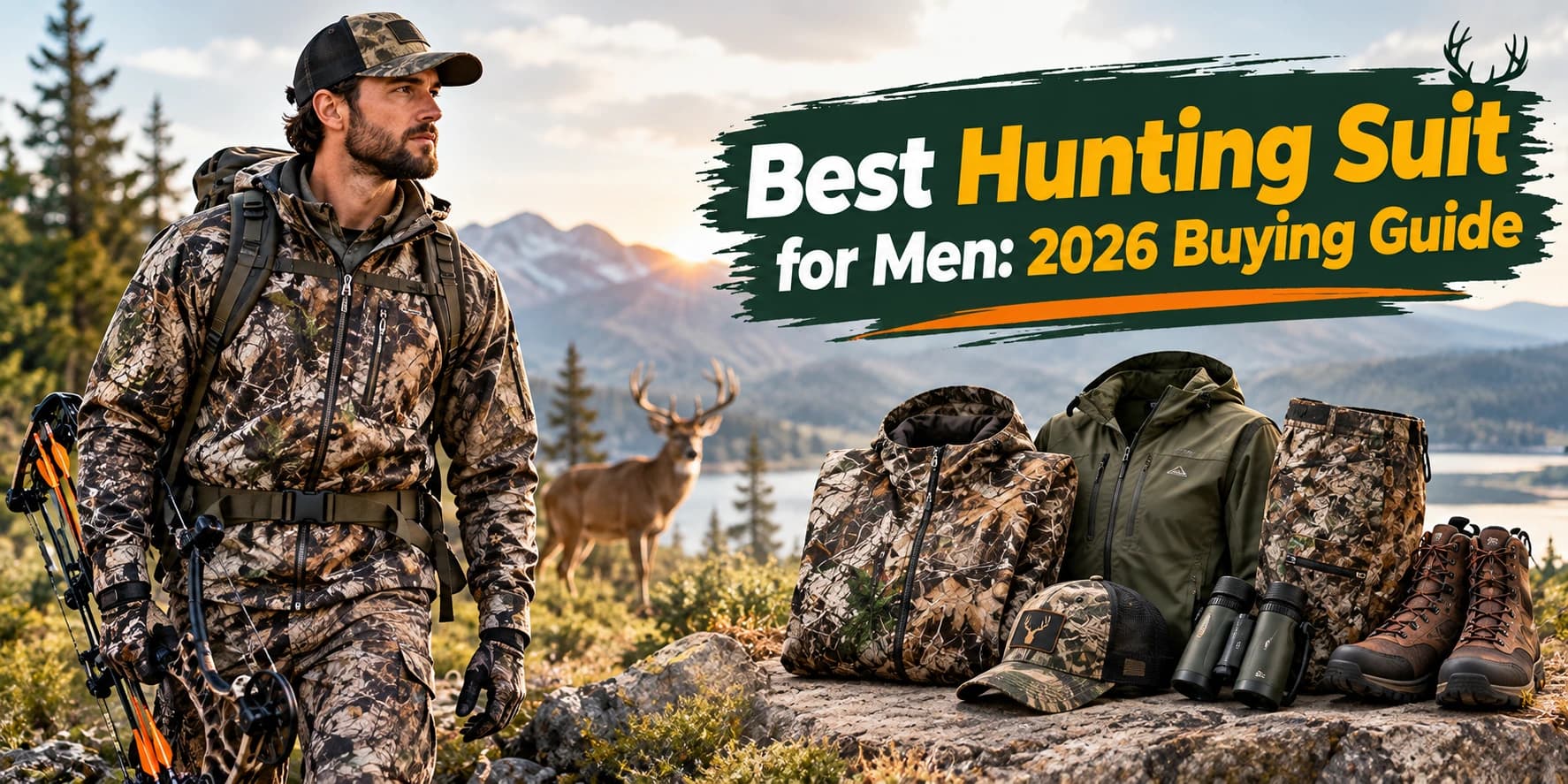
The right hunting suit for men helps you stay warm, dry, comfortable and hidden outdoors. However, choosing the right one depends on the weather, hunting style,and time spent outside. Some suits are better for cold mornings, while others work well in warm or rainy conditions.
This guide explains how to choose the right hunting suit, compare important features, avoid common mistakes,and find an option that fits your needs and budget.
What Is a Hunting Suit?
A hunting suit is a set of outdoor clothing designed for hunting. It usually includes a jacket and pants, a jacket and bibs or a one-piece coverall.
Unlike ordinary outdoor clothing, hunting suits may include features designed for concealment, weather protection, quiet movement,and durability.
Here are the main things to look for:
Camouflage: Helps break up your outline and match the surrounding environment.
Weather protection: Provides different levels of insulation, wind resistance and water protection.
Quiet fabric: Helps reduce unwanted fabric noise during movement.
Comfort and mobility: Allows you to walk, bend, sit and reach without feeling restricted.
Practical storage: Pockets and adjustable openings help keep useful items accessible.
Not every suit offers all these features. Start with the conditions you expect to face, then choose the features that matter most.
How to Choose a Hunting Suit for Your Hunting Style and Weather
The best hunting suit depends on where you hunt, how much you move,and the weather conditions. Consider these factors before buying.
Stand or blind hunting: Choose an insulated suit with good wind protection. Bibs can help keep cold air from reaching your waist when you sit for long periods.
Walking or stalking: Choose lightweight, breathable clothing that allows easy movement. Heavy insulation may make you sweat while walking.
Warm weather: Look for lightweight fabric and ventilation to help release excess heat.
Cold weather: Choose insulation and wind protection, with enough room for comfortable layers underneath.
Rainy or wet conditions: Look for waterproof construction, sealed seams and a suitable hood. Check the product specifications instead of relying on the title alone.
Changing weather: Choose a flexible outer suit that works with removable base and mid-layers.
Remember, your activity level matters as much as temperature. A heavily insulated suit may be comfortable while sitting still but too warm during a long walk.
Hunting Suit Fabrics Explained
Fabric affects warmth, comfort, noise and weather protection. Compare these common options before buying.
Fabric | Best Use | What to Consider |
Fleece | Cool, dry conditions | Usually needs wind and rain protection |
Softshell | Active movement | Often water-resistant rather than waterproof |
Waterproof shell | Wet conditions | Breathability and fabric noise vary |
Insulated fabric | Cold weather | May feel too warm during activity |
Lightweight synthetic fabric | Warm weather | Offers limited insulation |
No single fabric suits every situation. If possible, check the material for swishing or crinkling sounds before purchasing.
Waterproof vs. Water-Resistant: What Is the Difference?
Water-resistant clothing provides some protection against moisture, making it suitable for light rain or occasional damp conditions. Waterproof clothing offers stronger protection for wetter weather.
For frequent rain, check the garment's waterproof rating and sealed seams. A water-column rating, when provided, indicates resistance to water pressure under specific test conditions.
Breathability is also important because trapped sweat can make clothing feel damp. Choose protection that matches the weather you expect.
Camouflage: How to Choose the Right Pattern
Camouflage helps break up your outline, but the best pattern depends on the environment.
Woodland: Green, brown and leaf-inspired patterns may blend with trees and vegetation.
Open fields: Grass and earth tones may suit open terrain.
Wetlands: Marsh and reed patterns may be appropriate for areas with tall grasses and water plants.
Snowy environments: White and gray patterns may blend better with snow-covered surroundings.
Do not choose a suit based on appearance alone. Movement, the surrounding environment and the clothing's fit also matter.
Remember to check local hunting regulations. Some areas require hunter-orange clothing during particular seasons or hunting activities, even when camouflage is normally used.
Hunting Bibs vs. Hunting Pants
Both options can work well, but they offer different advantages.
Hunting Bibs
Bibs extend higher over the torso than regular pants. They can help reduce gaps around the waist and provide extra coverage in cold conditions.
Best for: Cold-weather hunting and long periods spent sitting outdoors.
Hunting Pants
Regular hunting pants are often convenient to put on and take off. Depending on their design, they may offer greater ventilation and feel more practical during active movement.
Best for: Warmer weather, walking and situations where easy movement is important.
When comparing both, consider the weather, your base layers, waist adjustment and comfort when sitting or bending. Neither option is automatically better for every hunter.
What to Wear Under Your Hunting Suit
The right layers help you stay comfortable in changing conditions.
Base Layer: Choose moisture-wicking merino wool or synthetic fabric to manage sweat. Cotton can retain moisture.
Mid-Layer: Use fleece or another insulating layer when extra warmth is needed.
Outer Layer: Choose a hunting suit with suitable camouflage and weather protection for your conditions.
Other Useful Clothing: Boots, socks, gloves and a hat can provide additional comfort.
Adjust your layers according to your activity to avoid overheating or becoming uncomfortable.
Small Features That Make a Big Difference
Two suits may look similar but feel very different during use. Check these details before deciding:
Ventilation openings: Help release excess heat during movement.
Adjustable cuffs and hems: Help improve fit and reduce gaps.
Secure pockets: Keep small essentials accessible.
Reinforced knees and seat: Can improve durability in areas that receive more wear.
Stretch panels: May improve comfort when bending and reaching.
A practical hood: Should fit comfortably without blocking your view.
Quiet closures: Help prevent unnecessary noise from loose or rattling components.
You do not need every feature. Choose the ones that solve a problem you are likely to face.
How Should a Hunting Suit Fit?
A hunting suit should allow comfortable movement without being excessively tight or loose.
Before buying:
Check the size chart and compare your measurements.
Leave room for the layers you plan to wear.
Bend your knees, raise your arms and sit to test mobility.
Check sleeve length, leg length and adjustable cuffs.
Review customer feedback and the return policy when shopping online.
Sizing varies by brand, so check the measurements rather than relying on your usual size.
Do Scent-Control Hunting Suits Actually Work?
Some hunting clothes include treatments designed to help reduce odor. These features may be useful, but they do not make you completely scentless.
Good clothing care, personal hygiene and awareness of wind direction remain important. Follow the manufacturer's washing instructions and avoid products that may leave unwanted fragrances or damage the fabric's water-repellent treatment.
If your budget is limited, prioritize fit, weather protection,and comfort before paying extra for scent-control technology.
How Much Should You Spend on a Hunting Suit?
Hunting suits are available at different price levels. The right budget depends on how often you hunt, the weather you face and how much protection you need.
Budget options: May suit occasional use and mild conditions. Check the quality of the fabric, construction and weather protection carefully.
Mid-range options: Can provide a useful balance of comfort, features,and durability for regular use.
Premium options: May be worth considering for frequent use or demanding weather, especially when you need specialized features.
Do not assume that a higher price guarantees a better fit or more suitable design. Compare the features you will actually use.
It can also help to consider the cost over several seasons. A durable suit that meets your needs may offer better value than repeatedly replacing a cheaper option.
Three TIDEWE Hunting Suits to Consider
TIDEWE offers camouflage hunting clothing for different conditions. The following options are worth comparing against the needs discussed in this guide. They are not independently tested rankings, so check the latest product specifications before choosing.
1. TIDEWE Altus Silent Hunting Suit for Men
This insulated camouflage jacket-and-pants set is a good option for hunters seeking warmth and comfort. Check the insulation, fabric, camouflage pattern,and sizing before buying.
Best for: Readers comparing insulated camouflage suits for cooler conditions.
Before buying: Confirm whether the suit provides the level of waterproofing and breathability you need.
Pros:
Insulated for cool weather.
Camouflage jacket-and-pants set.
Full-body coverage.
Cons:
May feel too warm in mild weather.
Waterproofing needs verification.
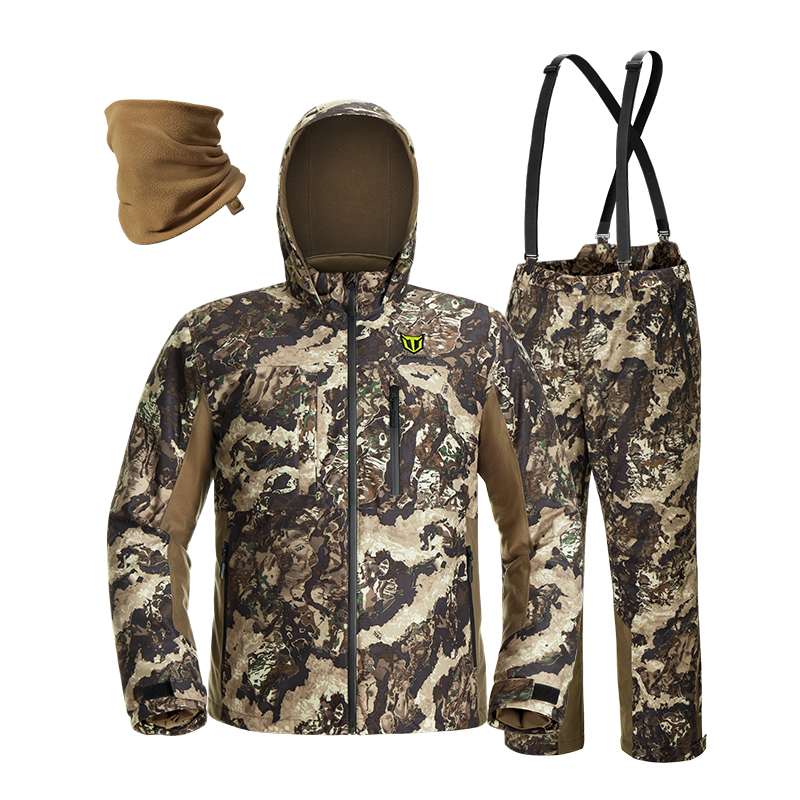
TIDEWE Altus Silent Hunting Suit for Men
An insulated camouflage hunting suit designed for cold-weather comfort, quiet movement,and whitetail hunting.
2. TIDEWE Whitetail Hunting Suit for Men — Early Season
This lightweight hunting set is ideal for warmer weather, offering breathability and freedom of movement during active hunts.
Best for: Readers comparing lightweight camouflage clothing for warmer weather.
Before buying: Verify the exact product name, material, breathability details and odor-control claims on the current listing.
Pros:
Lightweight for warm weather.
Suitable for early-season hunting.
Allows easy movement.
Cons:
Limited warmth in cold weather.
Breathability needs verification.
TIDEWE Silent Whitetail Hunting Suit for Men
A camouflage hunting suit designed for quiet movement and concealment while hunting whitetail deer.
How to Save Money on a Hunting Suit
Compare products carefully to find better value without sacrificing essential features.
Compare similar suits: Check fabric, construction and weather protection.
Look for seasonal sales: Discounts may be available on selected sizes and patterns.
Check verified coupons: Confirm that offers apply to your chosen product.
Review return policies: Understand the terms before ordering.
Skip unnecessary extras: Focus on features you will actually use.
Consider durability: Quality seams and zippers may improve long-term value.
Choose a suit that fits your needs rather than paying extra for features you do not need.
Final Thoughts
Choosing the best hunting suit for men depends on the weather, your hunting style and your budget. Focus on fabric, insulation, waterproofing, camouflage and fit to find a suit that meets your needs.
Before buying, compare different options, check product specifications,and review the return policy. The right hunting suit can keep you comfortable outdoors without spending extra on features you do not need.
Frequently Asked Questions
The best hunting suit depends on the weather and hunting style. Choose insulated suits for cold weather, lightweight options for warm conditions and waterproof suits for rain.
a moWear isture-wicking base layer and add fleece or insulation when needed. Choose suitable boots, gloves and socks for the weather.
A waterproof suit is better for heavy rain and wet conditions, while a water-resistant suit may be enough for light moisture.
A hunting suit should allow comfortable movement and enough room for your base and mid-layers. Check the size chart and test the fit by bending, sitting and walking.